Titan II Missile Silo Control Room
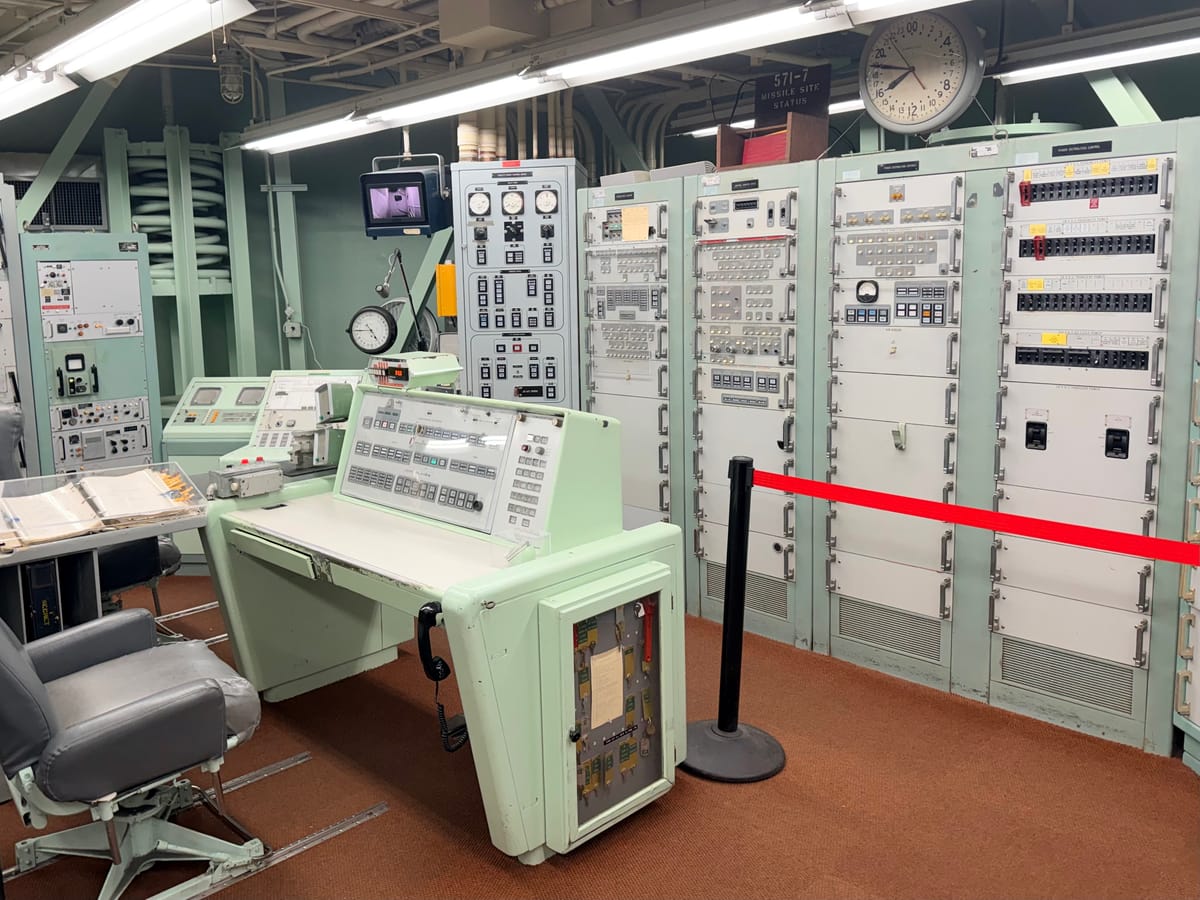
I came across Beth Mathews' post, "Why So Many Control Rooms Were Seafoam Green", and the post image of the post immediately made me think of some pictures I took back in February.
 Beth Mathews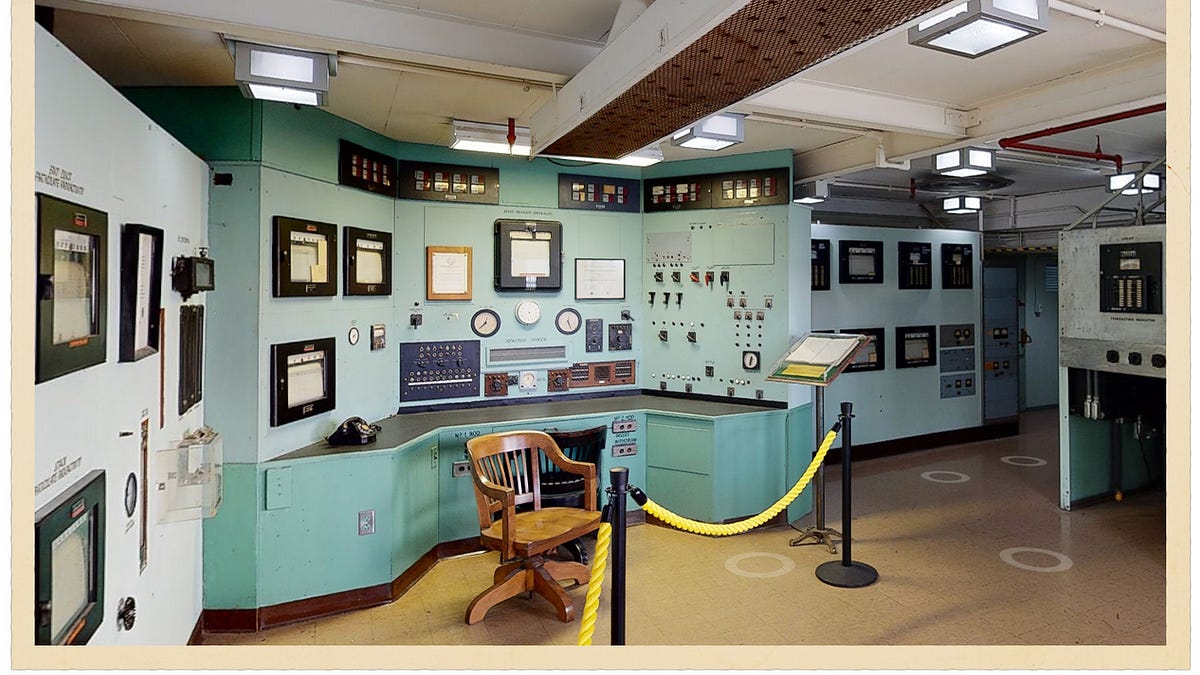
Beth's post talks about Faber Birren's work on color theory and calls out industrial color coding:
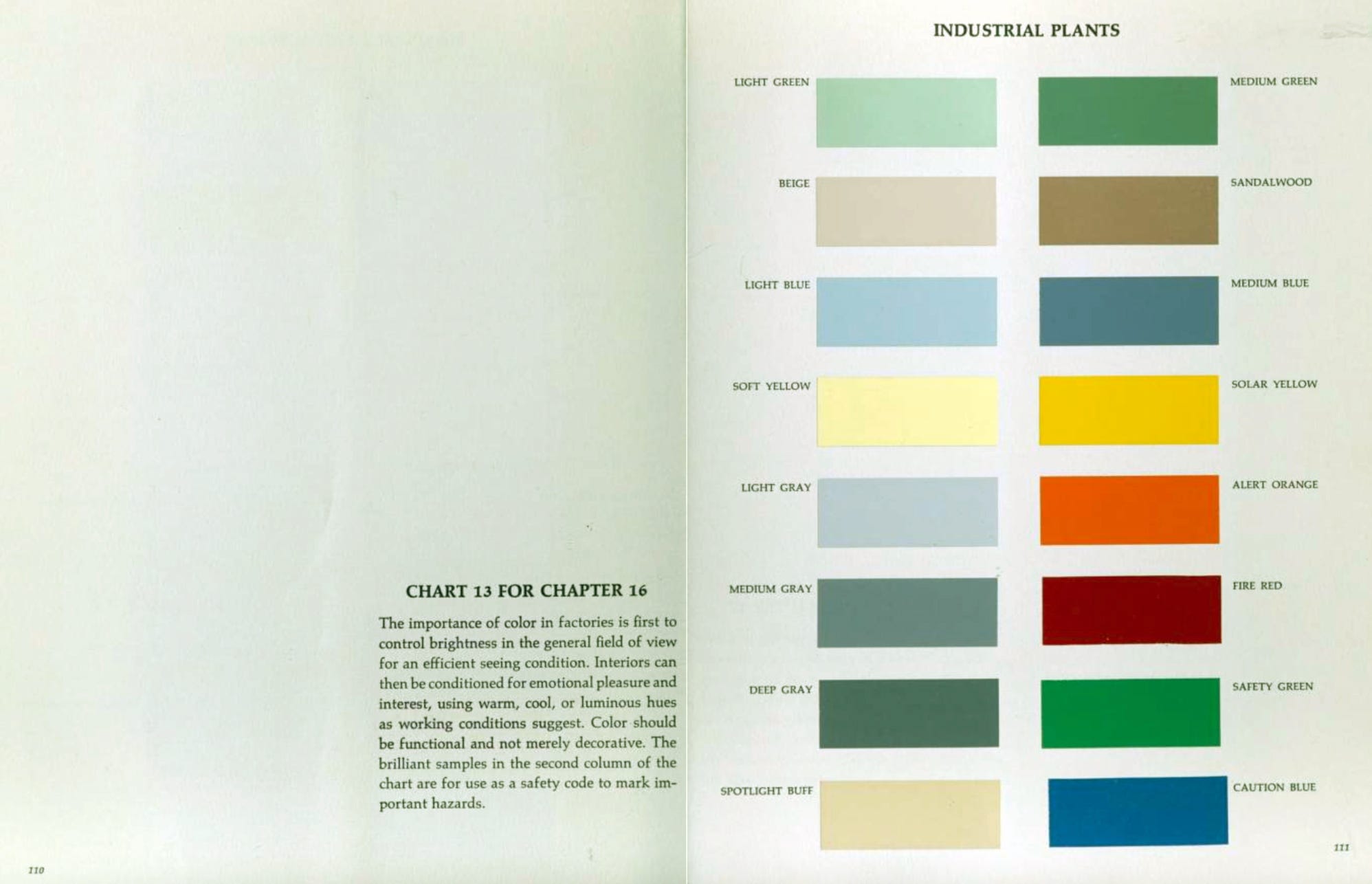
- Fire Red: All fire protection, emergency stop buttons, and flammable liquids should be red
- Solar Yellow: Signifies caution and physical hazards such as falling
- Alert Orange: Hazardous parts of machinery
- Safety Green: Indicates safety features such as first-aid equipment, emergency exits, and eyewash stations.
- Caution Blue: Non-safety information, notices, or out-of-order signage
- Light Green: Used on walls to reduce visual fatigue
Beth included an image from Faber Birren's 1963 book Color for Interiors, Historical and Modern. The chart shows the color chips for various industrial plant colors:
Back in February, we visited the Titan Missile Museum in Green Valley, AZ, which is housed in the Titan II launch complex 571– 7, the only remaining Titan II ICBM complex in the United States (the rest were destroyed as disarmament as part of the SALT II treaty).
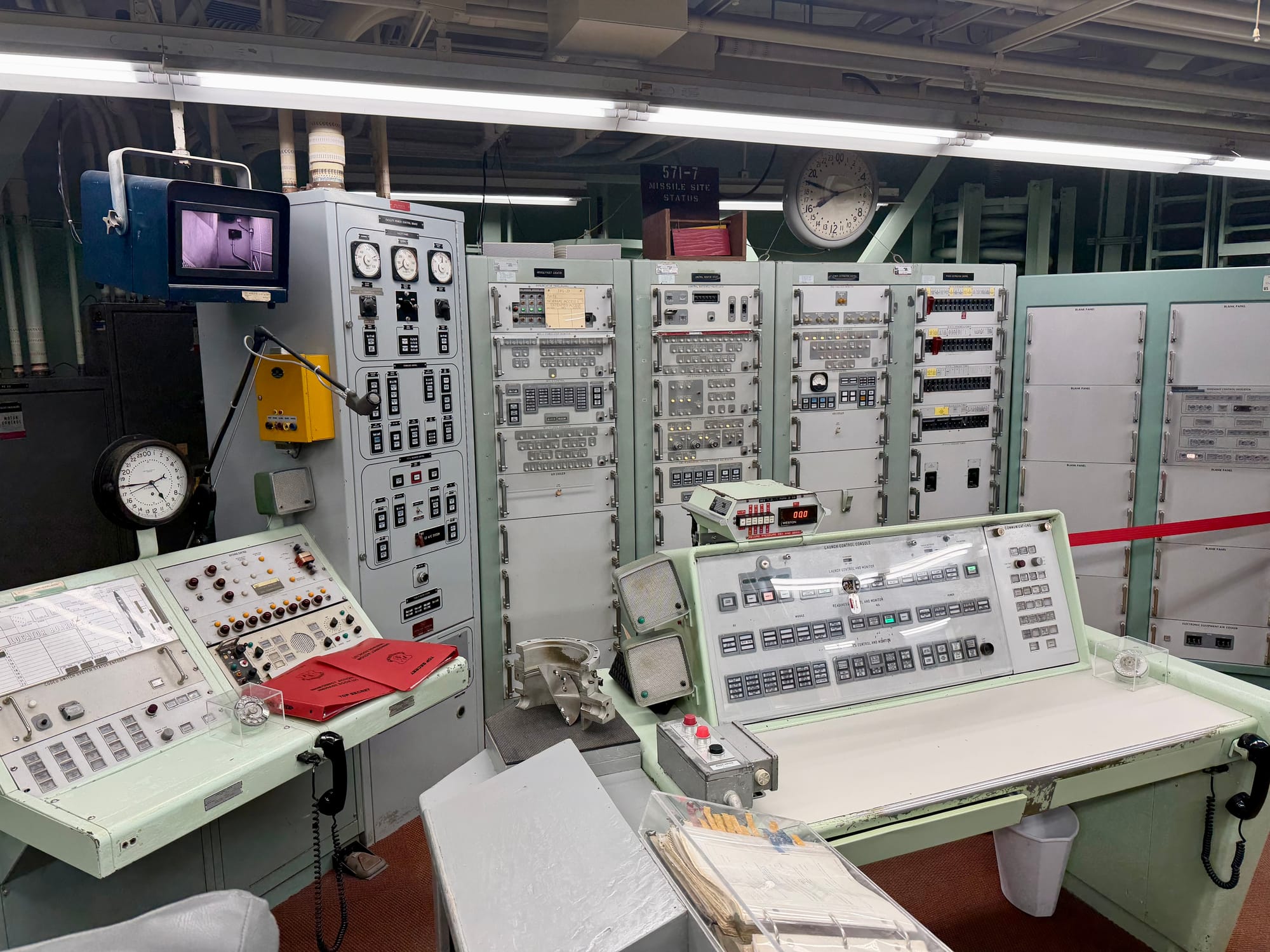
I took some pictures of the control room during our tour. In this first image, from the right side of the control room, you can see the desk and walls are light green, and the cabinetry is a mix of light green and light gray. In the back, you can see one of the shock-isolating springs that suspended the entire facility from the surrounding bedrock - these facilities were designed to survive a direct missile strike.
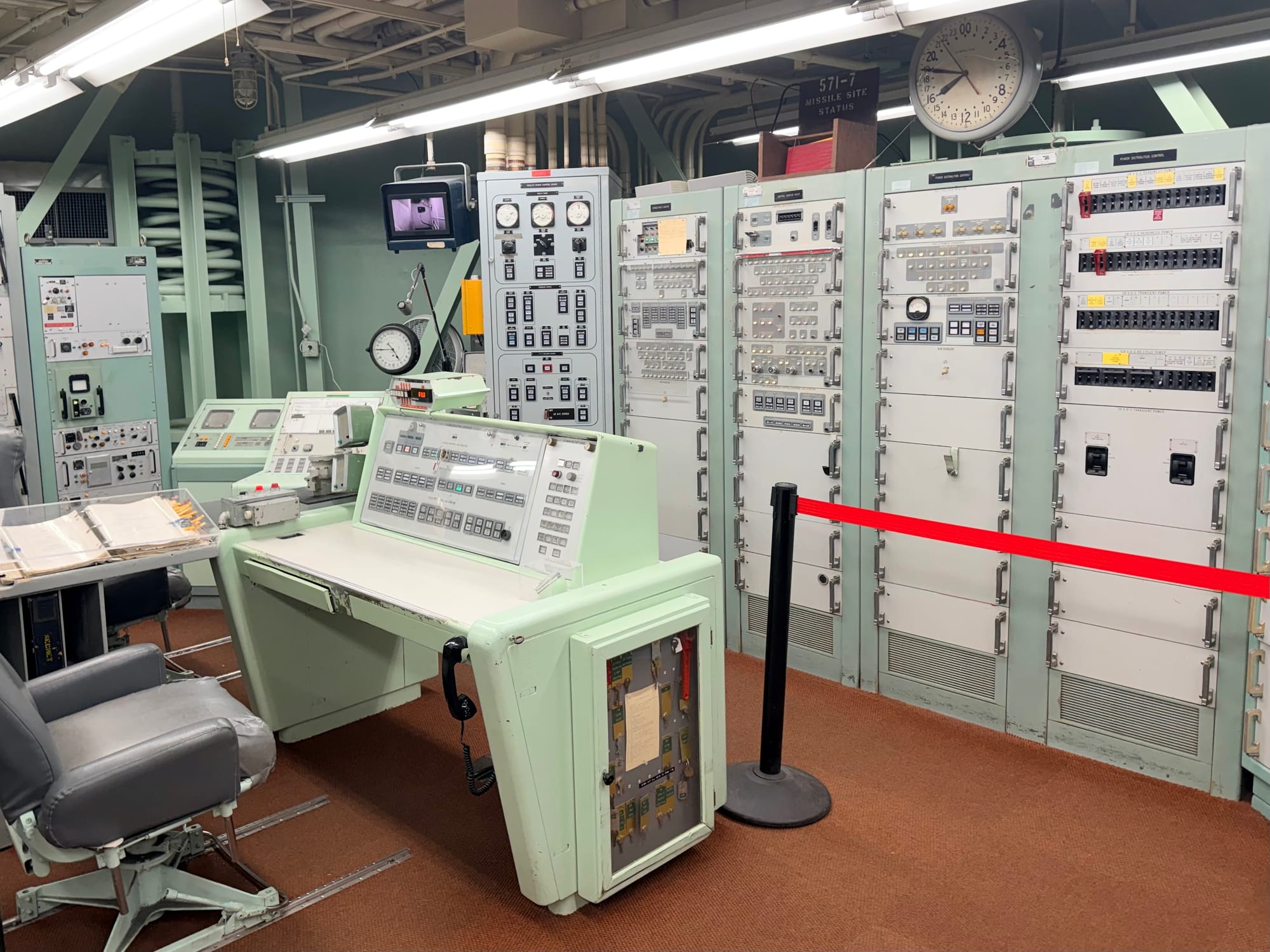
From the left side of the control room, with some new colors: the security camera screen is in a dark blue (not quite caution blue) casing, an alarm box on the side of a cabinet in solar yellow, and a few important bits in bright red, like the emergency action binders used to verify incoming missile launch commands.
It's very neat to look back at these pictures and see the color design language in action.
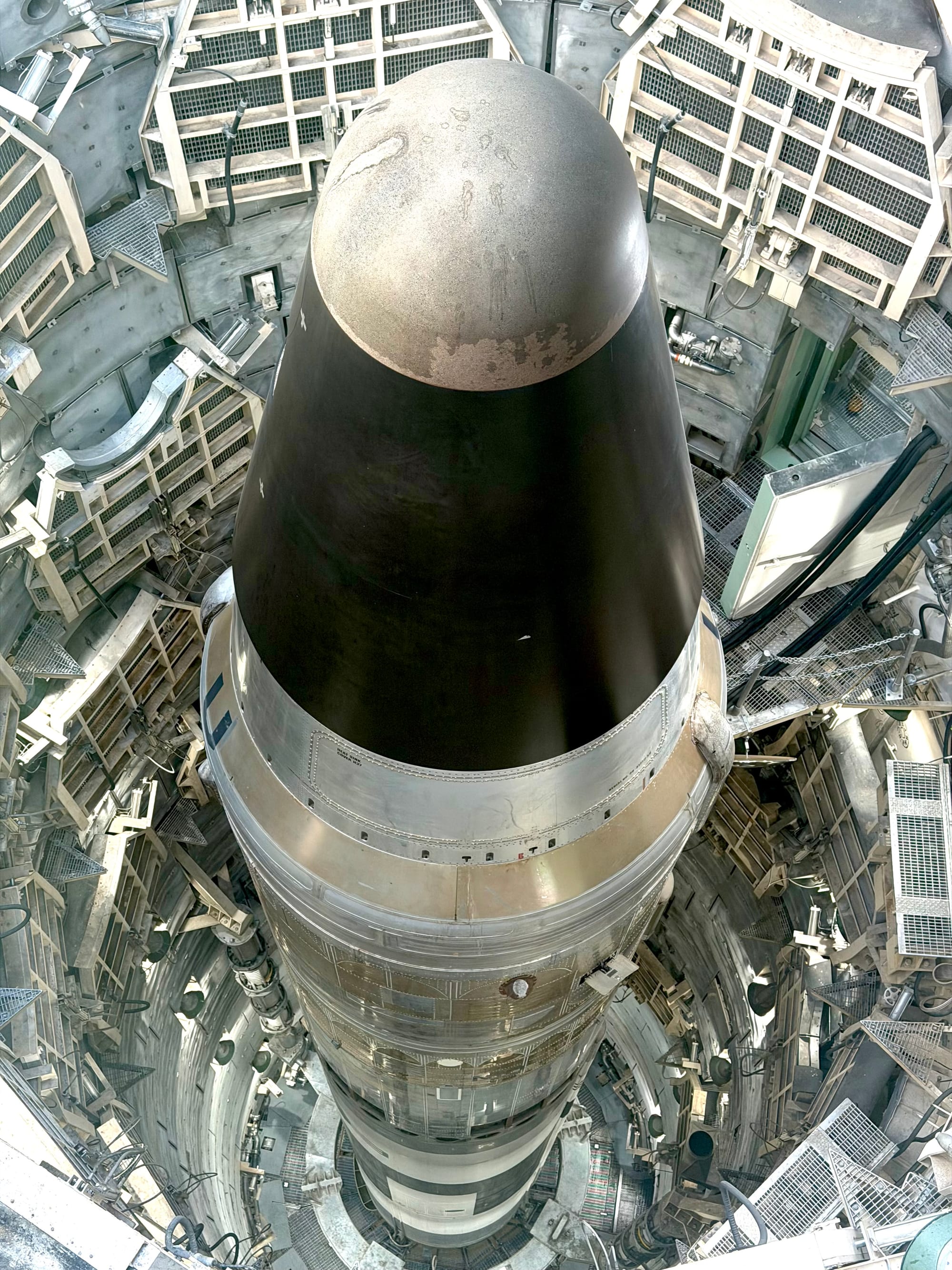
Bonus picture - the missile itself! The top of the missile silo is permanently fixed open, with a glass roof, allowing visitors to look down at the staged missile. This particular missile was a training missile and was never loaded with fuel (which leaves them a bit toxic). You can see the one of the doors on the right side of the photo that allowed technicians to access the missile for maintenance.
If you're ever in the area, be sure to check out the Titan Missile Museum!